Pickleball Shoes vs Running Shoes: What Should You Actually Wear

Introduction
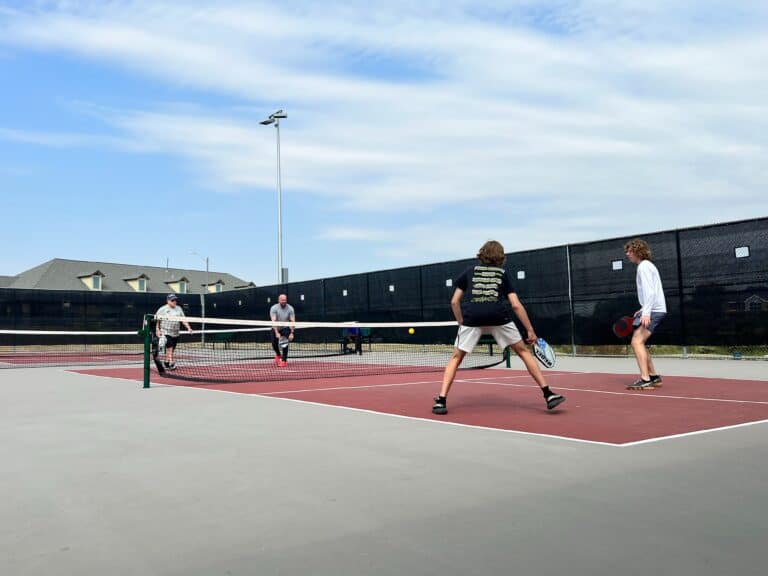
The debate over pickleball shoes vs running shoes usually starts the same way. A new player shows up at open play wearing the same sneakers they use for walking, jogging, or gym workouts. They feel fine for the first few games, but then the game speeds up. They start lunging sideways, stopping short, backing up, and reaching for balls at awkward angles. That is when the difference between running shoes and court shoes becomes obvious.
Pickleball is not a straight-line sport. It is a court sport built around lateral movement, quick changes of direction, short acceleration, and controlled stopping. That means your footwear has to do more than feel comfortable. It has to keep you stable when you move side to side and give you enough grip without making your foot feel trapped.
If you are building out your full gear setup, start with the broader pickleball equipment guide. But if you only upgrade one item after buying a paddle, shoes are the item I would prioritize first. Good shoes can improve movement, reduce slipping, and make you feel more confident getting to the kitchen line.
Can You Wear Running Shoes for Pickleball?
You can wear running shoes for pickleball in the sense that nobody is going to stop you from stepping on the court in them. But if you plan to play regularly, running shoes are not the best choice. They are designed for forward motion. Pickleball requires a completely different movement pattern.
A running shoe typically has cushioning that supports heel-to-toe movement. That is great when you are jogging down a road or treadmill. It is not ideal when your weight shifts side to side, your foot plants hard, and your body rotates quickly to return a shot. The same cushioning that feels soft while running can feel unstable during lateral movement.
This is why many newer players feel clumsy even when they understand what they should be doing. Their shoes are not helping them stay balanced. They may slide inside the shoe, roll onto the edge of the sole, or feel late reacting to balls that require a quick side step. The problem is not always footwork technique. Sometimes the equipment is working against the player.
Why Pickleball Shoes Are Different from Running Shoes
Pickleball shoes, tennis shoes, and other court shoes are built around stability. The biggest difference is the way they support the foot during lateral movement. A good court shoe has a wider base, firmer sidewalls, and an outsole pattern designed to grip hard court surfaces.
This matters because pickleball movement is compact and reactive. You are not taking long strides. You are taking short steps, split steps, shuffles, pivots, and quick recovery steps. Shoes that support those movements allow you to stay balanced through the shot instead of simply arriving at the ball.
That balance affects strategy too. If your shoes make you hesitant, you are less likely to move forward after the return or hold your position at the non-volley zone. That connects directly to the concepts in the pickleball strategy guide, because better positioning is hard to execute if your feet do not feel secure.
The Biggest Performance Difference Is Lateral Stability
The phrase lateral stability sounds technical, but the idea is simple: when you move sideways, your shoe should help keep your foot from rolling or sliding out of position. Running shoes usually do not do this well because they are not designed for repeated side-to-side court movement.
In pickleball, lateral stability shows up constantly. You need it when you slide along the kitchen line to cover a dink. You need it when you push off to return a ball hit toward the sideline. You need it when you recover after a third-shot drop or reset. Without it, you can feel like every movement is a small gamble.
This is also where injury risk enters the picture. No shoe can prevent every injury, but court shoes give your feet a better platform for the way the game is actually played. The American Academy of Orthopaedic Surgeons offers general sports injury information that is useful context for understanding why footwear and support matter in athletic movement.
Do Pickleball Shoes Help Beginners?
Yes, pickleball shoes can help beginners because they make movement more predictable. Beginners often focus entirely on paddles, but shoes affect every point. If your feet are unstable, your swing mechanics and timing will suffer no matter how good your paddle is.
A new player who switches from running shoes to court shoes often notices three things. First, stopping feels easier. Second, side-to-side movement feels more secure. Third, balance improves during returns, dinks, and volleys. Those changes may not sound dramatic, but they reduce the number of points lost because of poor footing.
If you are still learning the basics of the game, combine proper footwear with the fundamentals covered in the pickleball beginner guide. The two work together. Good instruction tells you where to move; good shoes help you actually get there under control.

Pickleball Shoes vs Tennis Shoes: Is There a Difference?
For most recreational players, tennis shoes are an excellent choice for pickleball. In fact, many players use tennis shoes because they are widely available and built for the same type of lateral court movement. Pickleball-specific shoes are becoming more common, but you do not need to overthink the label.
The more important question is whether the shoe is built for court movement. Look for a stable platform, lateral support, durable outsole, and comfortable fit. A good tennis shoe will usually beat a soft running shoe for pickleball, even if the tennis shoe is not marketed specifically as a pickleball shoe.
If you play indoors on a gym surface, pay attention to non-marking soles and grip. If you play outdoors on rough courts, durability becomes more important. The right choice depends on where you play most often, not just what the box says.
What to Look for in Pickleball Shoes
A good pickleball shoe should feel stable before it feels flashy. Start with fit. Your heel should feel secure, your toes should have enough room, and your foot should not slide inside the shoe when you move side to side. If the shoe feels unstable in the store or at home, it will probably feel worse on court.
Next, check the outsole. Outdoor courts can wear down soft soles quickly, so durability matters. Indoor courts require grip that does not mark the floor. If you play several times a week, the outsole may be the first part of the shoe to show wear.
Finally, pay attention to support. The shoe should give you enough structure around the midfoot and sides. It does not need to feel stiff or uncomfortable, but it should not collapse when you plant your foot.
Common Shoe Mistakes Pickleball Players Make
The most common mistake is assuming comfort equals performance. A shoe can feel comfortable while walking and still be a poor choice for pickleball. Soft running shoes often feel good at first because of the cushioning, but that same softness can reduce stability during quick cuts.
Another mistake is waiting too long to replace worn shoes. If the outsole is smooth, the sides are stretched out, or your foot no longer feels secure, the shoe is no longer doing its job. For players who play often, shoes are not a one-time purchase. They are part of maintaining safe and consistent movement.
Players also overlook the rules side of equipment. While shoes are usually not complicated, court facilities may have requirements around non-marking soles, especially indoors. For a broader understanding of how equipment and play fit into the sport, review the pickleball rules guide.
How Pickleball Shoes Affect Footwork and Positioning
Shoes do not automatically make you a better player, but they can make good habits easier to build. One of the most important habits in pickleball is arriving at the ball under control. If your shoes slide, wobble, or force you to slow down, you are more likely to hit from a poor base.
This shows up most clearly after the return. In doubles, many points are won or lost based on whether the return team moves forward efficiently. If you are wearing unstable running shoes, you may hesitate before moving to the kitchen, or you may arrive off-balance and give up a weak volley.
The same issue appears during long dink rallies. Good court shoes make small lateral adjustments feel easier, which helps you stay square, balanced, and ready for the next ball. That is why footwear should be treated as performance equipment, not just comfort gear.
Best Pickleball Shoes for Indoor vs Outdoor Courts
The best pickleball shoe depends partly on where you play. Indoor courts usually require a non-marking sole with reliable grip on smooth surfaces. Outdoor courts usually require more durability because asphalt and concrete courts wear down soles faster.
If you split time between indoor and outdoor play, a durable tennis court shoe is often the simplest choice. It may not be perfect for every surface, but it will usually provide better support than a running shoe. If you play several times a week, having separate indoor and outdoor shoes can help each pair last longer.
For outdoor play, pay attention to the outsole. If the tread pattern wears smooth, your stopping ability drops. For indoor play, pay attention to whether the shoe grips without feeling sticky. Too much grip can make pivoting awkward, while too little grip creates slipping.
When Should You Replace Pickleball Shoes?
Players often replace paddles before they replace shoes, even though worn shoes may affect performance more. If the outsole is smooth, the upper is stretched, or the shoe no longer holds your foot securely, it is probably time to replace it.
Another sign is uneven wear. If one side of the sole is heavily worn, your foot may no longer sit on a stable platform. That can affect movement and comfort over time. Players who drag their toes or play often on rough courts may wear out shoes faster than expected.
A practical rule is to inspect your shoes every few weeks if you play frequently. You do not need a new pair at the first sign of wear, but you should not wait until the shoe completely breaks down. Stable footwear is part of playing well and staying comfortable.
A Note on Comfort, Safety, and Injury Risk
No article can promise that one type of shoe will prevent injury. Pickleball involves quick movements, and injuries can still happen even with good equipment. But footwear is one part of reducing unnecessary risk because it affects traction, balance, and support.
The Cleveland Clinic has published useful general information about pickleball injury patterns, which reinforces the broader point: movement quality, conditioning, and appropriate equipment all matter. Shoes are not the whole solution, but they are too important to ignore.
The Practical Recommendation
If you are choosing between pickleball shoes and running shoes, the practical answer is simple: use court shoes if you play regularly. Running shoes are fine for your first casual outing, but they should not be your long-term pickleball footwear.
For most players, a quality tennis shoe or pickleball shoe is the best option. It does not have to be the most expensive model. It just needs to fit well, support lateral movement, and match your playing surface.
Footwear is not as exciting as buying a new paddle, but it may have a bigger effect on your day-to-day game. Better shoes help you move with confidence, stay balanced, and avoid giving away points because your feet are fighting the court.
Frequently Asked Questions
Are running shoes bad for pickleball?
Running shoes are not ideal for regular pickleball because they are designed for forward movement, not repeated side-to-side court movement. A beginner can use them briefly, but court shoes are a better long-term choice.
Can I use tennis shoes for pickleball?
Yes. Tennis shoes are usually a very good option because they are built for lateral movement and hard-court surfaces. Many players use tennis shoes instead of shoes labeled specifically for pickleball.
What shoes are best for beginners?
Beginners should look for court shoes that fit securely, provide lateral support, and match the surface they play on most often. Footwear should be considered part of a full beginner setup, along with the basics in the pickleball equipment guide.
Do pickleball shoes really matter?
Yes. Shoes affect balance, movement, safety, and confidence. A player with unstable footwear will often struggle to execute the positioning habits taught in the pickleball strategy guide.